
At just over 90,000 square miles, Uganda packs an astonishing natural diversity into a remarkably compact footprint, earning its historic title as the ‘Pearl of Africa’.
Straddling the equator, this vibrant nation bridges dense southern rainforests and wide northern savannahs, creating a wealth of habitats where mountain gorillas, chimpanzees and magnificent savannah wildlife thrive alongside a staggering tally of over 1,000 bird species.
Beyond its rich wildlife, Uganda welcomes travellers with an exceptionally warm, English-speaking population and a progressive conservation framework. From snow-capped equatorial peaks to the thundering waters of Murchison Falls, it offers a deeply authentic and uncrowded natural history experience.
What Wildlife Can You See in Uganda?
Primates and Ancient Forests
Uganda is one of the world’s premier primate destinations, sheltering 20 distinct primate species within its ancient canopies and shadowy valleys. Bwindi Impenetrable National Park – an ancient rainforest dating back over 25,000 years – protects almost half of the global population of endangered mountain gorillas. Meanwhile, the dense jungles of Kibale Forest and Kyambura Gorge resound with the calls of chimpanzees, including unique dry-habitat populations. Visitors can also encounter rare golden monkeys in the Virunga volcanoes alongside nocturnal bushbabies and pottos under the cover of darkness.
Savannah Mammals and Open Plains
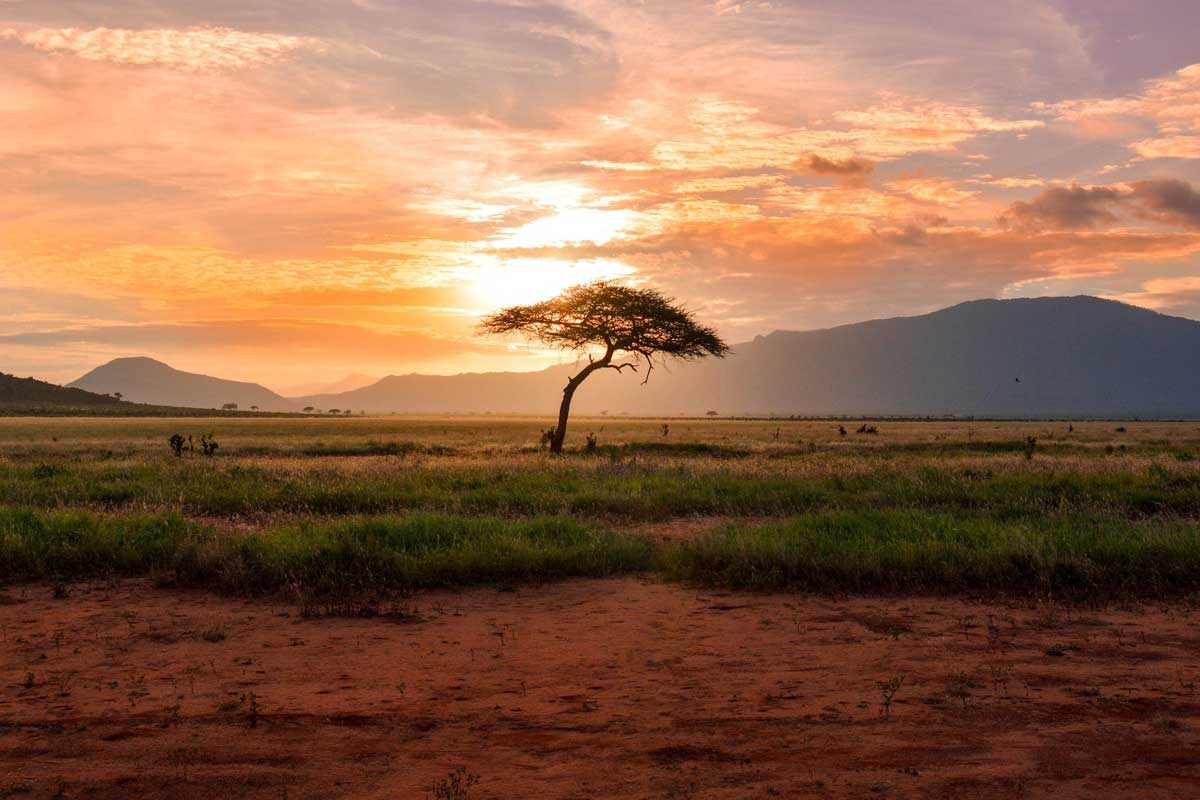
The country’s sweeping northern and western protected areas stage classic East African wildlife spectacles – without the heavy tourist congestion found elsewhere. Rolling grasslands and acacia scrub in parks like Kidepo Valley and Queen Elizabeth harbour large breeding herds of savannah elephants, buffaloes and giraffes alongside Uganda Kobs. Predators such as lions, leopards and cheetahs stalk these sun-drenched plains, while rare forest elephants roam dense reserves like Semliki.
Wetland Species and Prolific Birdlife
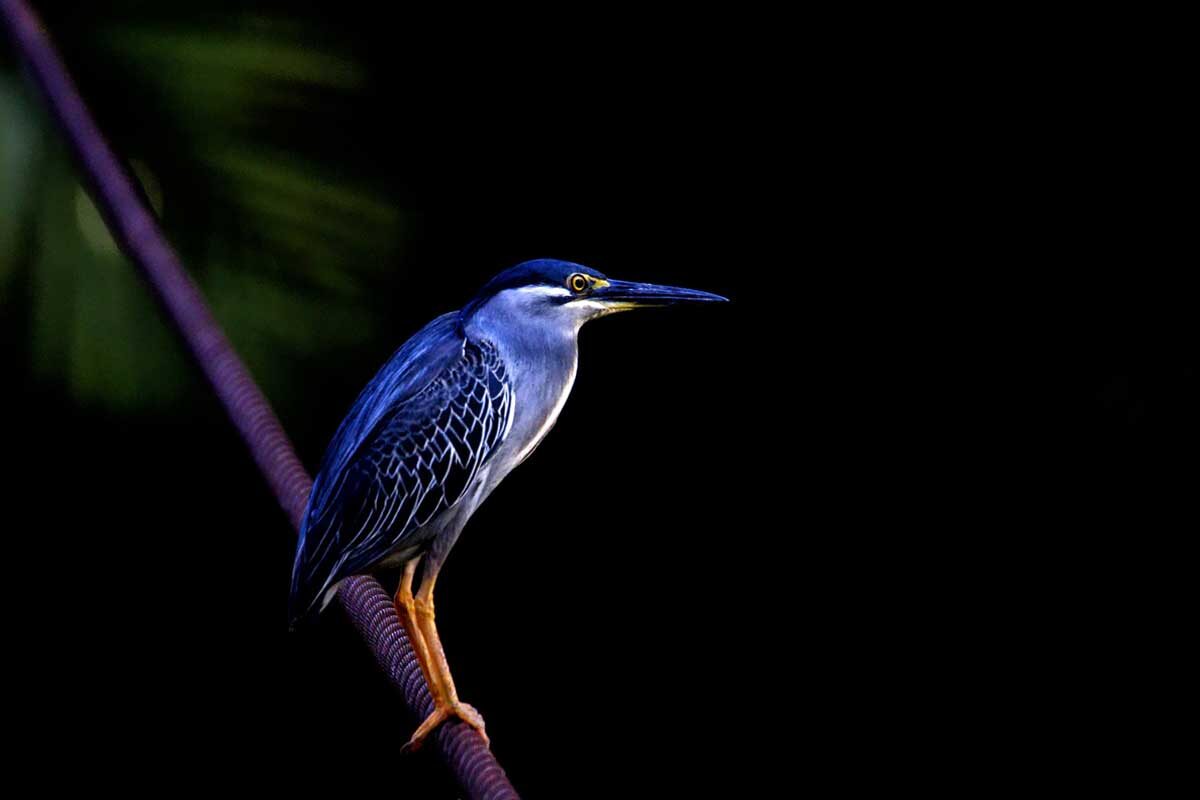
Boasting over 1,000 avian species, Uganda is a paradise for ornithologists and naturalists alike. Papyrus swamps and the shores of Lake Albert provide prime hunting grounds for the prehistoric and highly coveted shoebill stork – one of the continent’s most sought-after sightings. Aquatic networks also support immense flocks of water fowl, colourful kingfishers, African fish eagles and localised rarities like the Abyssinian ground hornbill and Kori bustard.
Rift Valleys and Rainforests: The Natural Scenery of Uganda
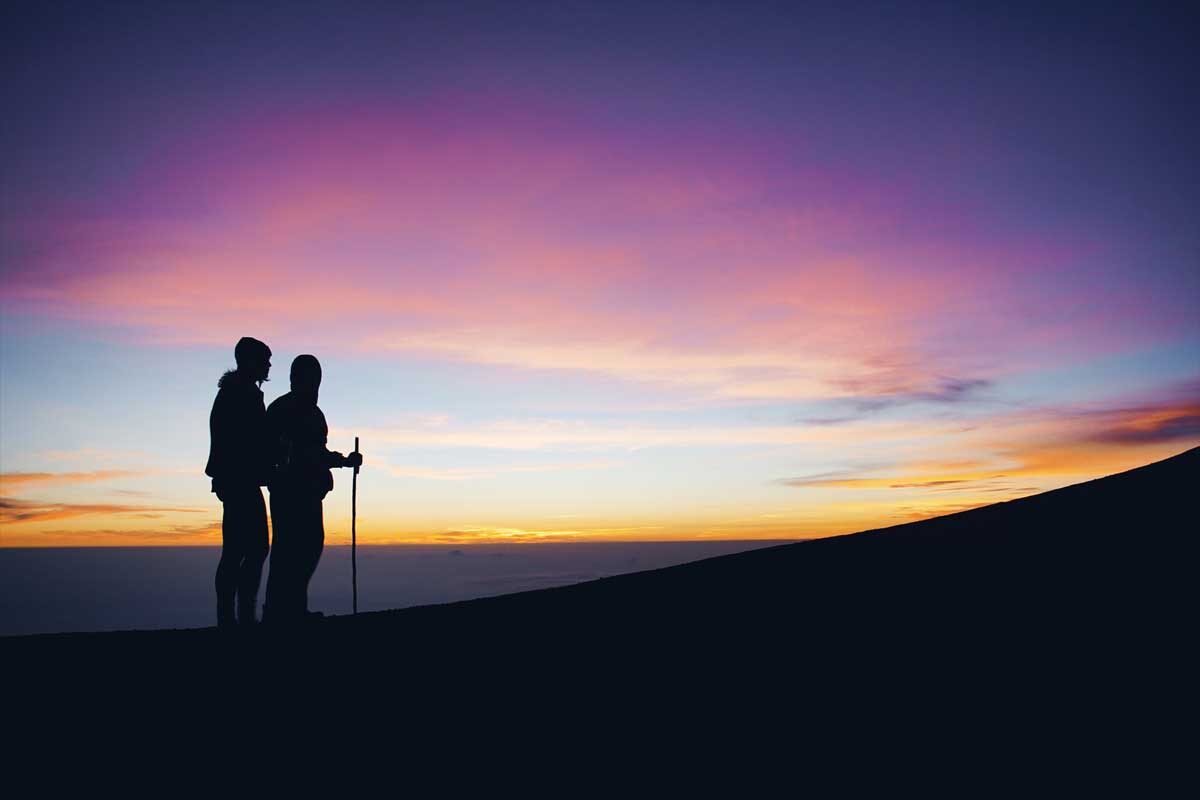
Uganda’s dramatic topography is shaped by the Great Rift Valley and the glittering expanses of the Great Lakes, including Victoria, Albert and Edward. The Victoria Nile snakes northward through the country before erupting through a narrow seven-metre cleft at Murchison Falls, creating a dramatic focal point for wildlife viewing. To the west, the snow-capped Rwenzori Mountains – famously known as the ‘Mountains of the Moon’ – rise sharply above the tropical plains, flanked by the dramatic volcanic cones of the Virunga chain. Crater lakes, lush wetlands and winding river channels weave these distinct eco-regions together into a landscape of visual contrast.
Travelling in Uganda: Bespoke 4×4 safaris and private guides
All of our tailor-made tours use customised 4×4 safari vehicles equipped to handle unpaved tracks with ease. Journeys are led by exceptional private driver-guides whose deep ecological expertise can cover birdwatching, wildlife photography and primate tracking. For seamless connections between remote national parks and distant wilderness reserves, scheduled light aircraft hopper flights can be smoothly integrated into your itinerary, ensuring maximum time spent enjoying Uganda’s natural history.
Why Travel to Uganda with Reef & Rainforest?
Reef & Rainforest brings over 35 years of specialist natural history travel expertise to every bespoke itinerary we design. We pride ourselves on meticulous, personal planning backed by full financial protection through our ATOL accreditation, ensuring absolute peace of mind before and during your journey. Our close partnerships with frontline conservation operators – such as WildPlaces and the Uganda Wildlife Authority – mean your trip becomes a meaningful investment in the long-term preservation of Uganda’s irreplaceable wild spaces.


